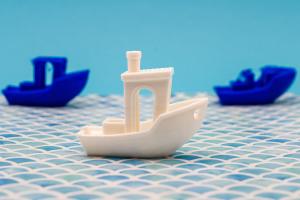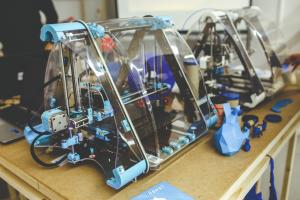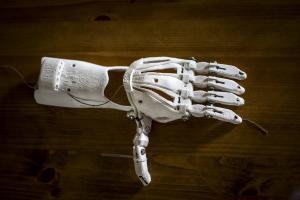
3D printing, also known as additive manufacturing, is a process that transforms digital files into physical objects. At its core, the technology builds items layer by layer, allowing for the creation of complex shapes and designs. This innovative method has revolutionized industries from healthcare to manufacturing, making it an exciting opportunity for small businesses to explore.
To start your journey into 3D printing, it’s essential to understand the basic components involved in the process. First, you need a 3D model, which can be created using computer-aided design (CAD) software. There are numerous online libraries where you can find pre-made designs or you can hire a designer to create custom models for your business. Once the model is ready, it’s converted into a format that the 3D printer can understand, typically an STL file.
Next comes the actual printing process. Using materials like plastic, metal, or resin, 3D printers construct objects layer by layer according to the design specifications. The choice of material can greatly affect the final product's strength, appearance, and functionality, so it’s important to choose wisely based on your business needs. After printing, post-processing may be necessary to enhance the look and feel of the printed item, which might include sanding, painting, or assembling multiple parts.
Lastly, as you plan to incorporate 3D printing into your business, consider the various types of 3D printers available. FDM (Fused Deposition Modeling) printers are popular for beginners, as they are relatively affordable and user-friendly. On the other hand, SLA (Stereolithography) printers offer higher precision and are great for producing intricate designs. Understanding these options will help you choose the right equipment that aligns with your business goals.
Choosing the Right Printer for You
When diving into the world of 3D printing as a small business owner, one of the biggest decisions you'll need to make is choosing the right printer. With a variety of models on the market—from budget-friendly options to more advanced machines—it’s essential to identify what best suits your needs. Start by considering what type of products you plan to create. Are you looking to print prototypes, end-use products, or something entirely unique?
Next, think about the materials you'll be using. Different 3D printers support various materials, such as PLA, ABS, or flexible filaments. If your business requires durable parts, you might want to invest in a printer that can handle higher-temperature materials like nylon or PETG. On the other hand, if you're looking to keep costs low and produce simple designs, a basic FDM printer that uses PLA might be the way to go.
Don’t forget about the size of the printer and the build volume. If you anticipate creating large items or multiple smaller items at once, opt for a printer with a bigger build area. However, if your focus is on creating intricate designs, even a compact printer can produce high-quality results. Additionally, consider factors like ease of use, setup time, and whether you want a printer that requires manual calibration or one that is more automated.
Lastly, take into account your budget and future growth. Investing in a good-quality printer can pay off in the long run, but it’s important to choose one that aligns with your current financial situation. Remember that as your business expands, you might need to upgrade your printing capabilities, so thinking ahead can save you from making costly mistakes.
Designing Your First Product
Once you have a clear idea, it’s time to create a prototype. Using 3D modeling software like Tinkercad or Blender, you can start bringing your sketches into a digital format. Don't worry if you're new to design software; there are plenty of tutorials available online that can guide you through the basics. Aim for a simple design that captures the essence of your product. Remember, the goal is to create a model that you can print and test, so keep it practical.
After your 3D model is ready, the next important step is printing it. Find a local maker space or an online 3D printing service that can bring your design to life. When you receive your prototype, evaluate it carefully. Does it function the way you imagined? What changes do you notice in terms of size, material, or usability? This stage is crucial for gathering insights that will help you refine your product before you decide to move forward with production.
Finally, gather feedback from potential customers and friends. Sharing your prototype and getting opinions can provide valuable insights you might not have considered. Ask them about the overall look and feel, performance, and any suggestions for improvement. This feedback loop will be essential in making the final adjustments to ensure your product is not only viable but also appealing to your target market.
Marketing Your 3D Printed Creations
Once you've created your 3D printed products, the next step is marketing them effectively. Start by identifying your target audience. Who will benefit most from your creations? Understanding your customers will help you tailor your marketing strategies to reach them efficiently.
Utilize social media platforms like Instagram and Facebook to showcase your products. High-quality images and engaging videos can highlight the uniqueness of your 3D printed items. Consider posting behind-the-scenes content to show the creation process, which adds a personal touch and builds a connection with your audience.
In addition to social media, explore online marketplaces like Etsy or Shopify. These platforms allow you to set up an easy-to-navigate storefront with access to potential customers looking for customized and unique items. Ensure your product descriptions are clear and captivating, emphasizing what makes your 3D printed creations special.
Networking is also crucial for spreading the word about your business. Attend local craft fairs, maker events, or community gatherings to showcase your products. These settings allow you to engage directly with customers, receive feedback, and even make sales on the spot. Building relationships within the community can lead to word-of-mouth referrals, which are invaluable for small businesses.