3D printing has revolutionized various industries, but its creative potential goes well beyond the traditional applications. Artists and designers have embraced this technology to create unique sculptures and intricate pieces of jewelry that were once impossible to craft by hand. With a 3D printer, the possibilities are practically limitless. Imagine printing an elaborate chandelier or a delicate, detailed pendant that perfectly suits your personal style!
Another exciting application is in the culinary world, where chefs are beginning to experiment with edible 3D printing. This innovative approach allows for the creation of custom food designs, such as intricate cake decorations or personalized chocolates. With the help of food-safe materials, chefs can provide guests with one-of-a-kind dining experiences that are as beautiful as they are delicious.
3D printing also has incredible potential in the realm of fashion. Designers are crafting customizable clothing and accessories, allowing individuals to express their unique tastes. From avant-garde garments to bespoke footwear, 3D printing offers the ability to create designs that are tailored to individual measurements, ensuring a perfect fit. Imagine wearing a dress that’s not only stunning but also made specifically for your body!
Additionally, educators are harnessing 3D printing to enhance learning experiences. Students can create tangible models of complex structures, like molecules in chemistry or historical artifacts, bringing their lessons to life. This hands-on approach fosters creativity and helps to deepen understanding, making learning more engaging and interactive.
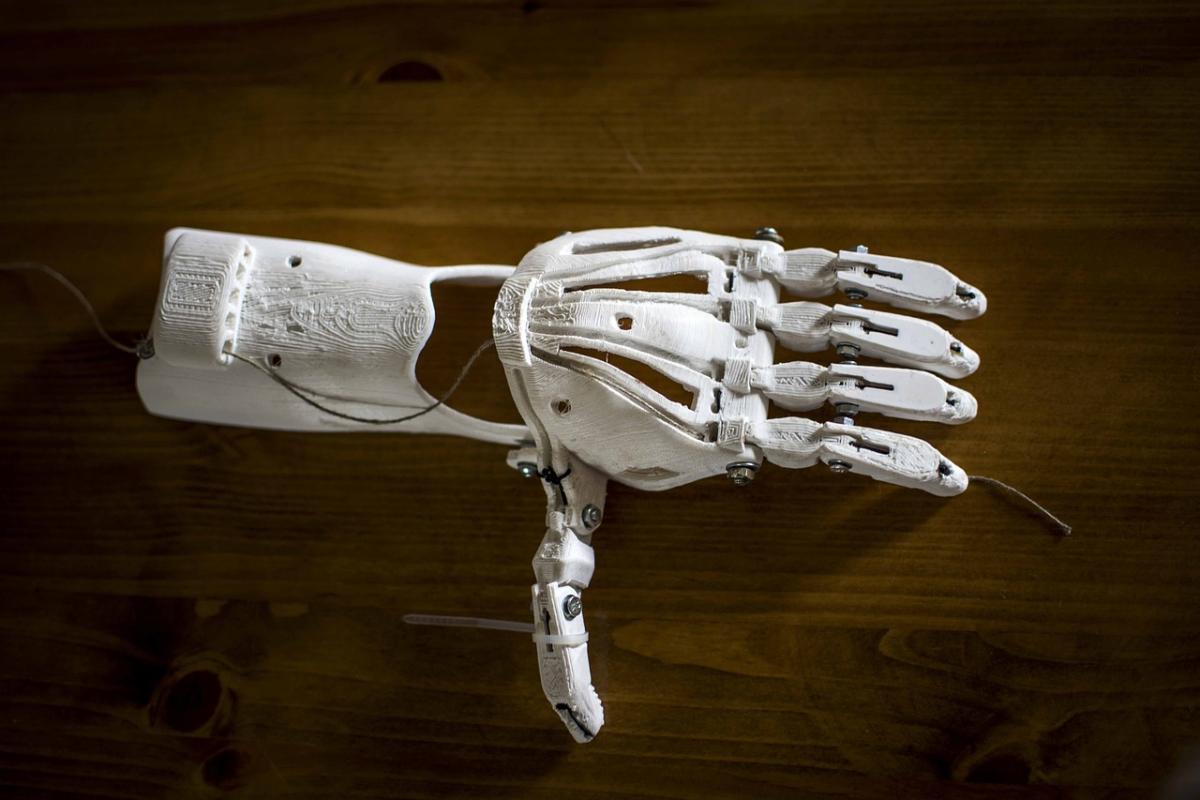
Lastly, the medical field is making strides with 3D printing technology. From prosthetics to surgical models, practitioners can create customized solutions that improve patient care. These innovative applications not only enhance the quality of products but also contribute to more successful treatment outcomes. With each new use, 3D printing continues to break boundaries and inspire innovation across multiple disciplines.
Getting Started with 3D Printing
Once you have your 3D printer, the next step is to find or create 3D models. You can download ready-made designs from websites like Thingiverse or MyMiniFactory, or you can dive into design software such as Tinkercad or Blender to create your own unique models. The possibilities are endless when it comes to what you can print—from simple keychains to intricate sculptures!
Before you start printing, make sure to prepare your workspace. A clean and organized area will help ensure successful prints. Learn how to set up the printer, load the filament or resin, and adjust the settings according to your chosen model. Each printer is different, but many come with helpful guides to get you started.
Lastly, patience is key! Printing can take time, and sometimes things don’t go as planned. It’s normal to encounter challenges like warping or poor adhesion, but don't be discouraged. Every failed print is a learning opportunity, and soon, you'll be creating amazing 3D objects with ease.
Design Tips for Beginners
When diving into the world of 3D printing, understanding design principles can make all the difference. For beginners, starting with simple shapes—like cubes and spheres—can help build confidence. Familiarize yourself with basic design software, such as Tinkercad or SketchUp. These user-friendly platforms allow you to create models without feeling overwhelmed by complexities.
Next, it's essential to consider your printer’s capabilities. Each 3D printer has its own limitations, such as maximum build size or minimum detail levels. Always check the specifications before finalizing your design. This ensures that your creations can be printed accurately and reduces frustration later on in the process.
Don’t forget about the importance of supports and overhangs in your designs. If your model has sections that jut out, it may require additional supports during printing to maintain stability. Use angles and curves strategically to minimize the need for these supports, making your prints cleaner and easier to finish.
Finally, keep experimentation at the heart of your design journey. Utilize low-cost materials for your first few prints, and don’t hesitate to iterate on your designs. Each failed print is an opportunity to learn and improve your skills. As you gain experience, you’ll find it easier to bring your ideas to life with your 3D printer.
Future Trends in 3D Printing
As we look ahead, the world of 3D printing is set to evolve at an astonishing pace. One major trend is the advancement in materials. While plastics have dominated the landscape so far, researchers are developing new bio-based and metal materials that can be used in 3D printing. These materials not only improve the durability and functionality of printed objects but also open up new applications in industries like healthcare and aerospace. Imagine 3D-printed organs for transplants or lighter, stronger parts for airplanes!
Another exciting trend is the rise of on-demand manufacturing. As 3D printers become more accessible and affordable, small businesses and even individuals can produce items as needed. This shift could significantly reduce waste, as products are made only when required, avoiding the pitfalls of overproduction. Furthermore, local production can shorten supply chains, enabling quicker deliveries and customization to better meet consumer demands.
Integration with artificial intelligence (AI) is also shaping the future of 3D printing. By using AI algorithms, printers can optimize designs for strength and material efficiency, ensuring that the final products are not only functional but also cost-effective. This combination could lead to rapid prototyping and iterative design processes, allowing for innovations that were previously unimaginable.
Lastly, the expansion of 3D printing into the construction sector is a game-changer. Companies are exploring the use of large-scale 3D printers to create entire buildings. This method could significantly decrease construction time and costs while also allowing for unique architectural designs. As this technology matures, we may see entire neighborhoods or even cities built from the ground up using 3D printing techniques.