3D printing technology has become a game changer across various industries, offering a multitude of benefits that were once thought impossible. One of the most notable advantages is its ability to create complex structures that traditional manufacturing methods cannot easily achieve. With 3D printing, designers can produce intricate designs and detailed components in a single print, reducing the need for assembly and minimizing potential weak points in products.
Another significant benefit of 3D printing is its potential for cost savings. Traditional manufacturing often requires expensive molds and tooling, which can be a barrier for small businesses or startups. In contrast, 3D printing allows for low-volume production without these hefty upfront costs. This accessibility enables innovation and experimentation, allowing companies to bring their ideas to life without breaking the bank.
Additionally, 3D printing is an environmentally friendly option. The process generates less waste compared to traditional manufacturing practices, where excess materials often go to landfills. Since 3D printing only uses the necessary amount of material for each project, it reduces the environmental footprint significantly. Furthermore, advancements in biodegradable and recyclable materials for 3D printing further enhance its sustainability factor.
Finally, 3D printing fosters customization and personalization. Businesses can easily tailor products to meet specific customer needs, creating unique items that resonate with individual preferences. This ability to customize not only enhances customer satisfaction but also provides a competitive edge in the market, as companies can offer bespoke solutions that stand out from the generic mass-produced options.
Types of 3D Printers Available
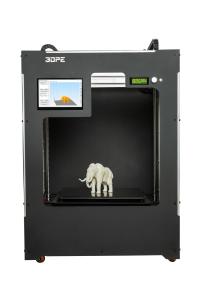
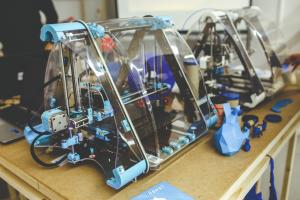
Fused Deposition Modeling (FDM) printers are the most popular and widely used. They work by melting a thermoplastic filament and depositing it layer by layer to create a 3D object. FDM printers are known for their affordability and ease of use, making them ideal for beginners. They are perfect for prototyping, hobby projects, and even for creating functional parts.
Stereolithography (SLA) printers use a different method. They employ a laser to cure liquid resin into hardened plastic. This process allows for high precision and produces smooth surface finishes. SLA printers are often used in industries like jewelry and dentistry, where detail and accuracy are crucial. Although they tend to be more expensive and require more maintenance than FDM printers, the quality of the end product can be worth the investment.
Lastly, Selective Laser Sintering (SLS) printers use a laser to sinter powdered material, typically plastic, to create solid structures. Unlike FDM and SLA printers, SLS does not require support structures because the powder bed supports the object during printing. This makes SLS printers suitable for complex geometries and functional prototypes. They are commonly used in aerospace, automotive, and engineering fields due to their robustness and design flexibility.
Getting Started with 3D Printing
Once you have your printer, the next step is to select the materials you'll use. Common options include PLA (Polylactic Acid), which is biodegradable and user-friendly, and ABS (Acrylonitrile Butadiene Styrene), known for its toughness. It’s important to understand the characteristics of these materials so you can choose the right one for your projects. Many beginners opt for PLA due to its ease of use and availability.
The fun truly begins with designing your 3D models! You can either create your own designs using software like Tinkercad or Fusion 360 or download pre-made files from sites like Thingiverse or MyMiniFactory. Don’t hesitate to experiment and modify existing designs to suit your style. Printing a simple object first helps you get a feel for the printer’s capabilities and limitations.
Finally, familiarize yourself with the printing process. This includes level-setting the build plate, loading the filament, and adjusting the printer settings before you hit the “print” button. Following online tutorials can be incredibly helpful, especially during your first few prints. Remember, 3D printing is often about trial and error, so be patient and enjoy the learning experience!
Future Trends in 3D Printing
As we look toward the future, 3D printing technology is set to evolve in exciting ways. One of the most significant trends is the advancement of materials. Currently, most 3D printers use plastics, but innovative materials like metals, ceramics, and even biological substances are becoming more common. This expansion opens up new possibilities for industries, allowing for the creation of stronger and more durable products that can withstand various conditions.
Another trend is the increase in speed and efficiency of 3D printing processes. With advancements in technology, printers are becoming faster, enabling quicker production times. This is particularly beneficial for industries that rely on rapid prototyping, as it allows designers to test and iterate their products swiftly. Additionally, improving printer speed can make 3D printing more accessible for small businesses and hobbyists who may not have the resources for longer production times.
Automation and integration with artificial intelligence are also on the horizon for 3D printing. Smart 3D printers equipped with AI capabilities can analyze designs in real time, offering suggestions for optimization or automating specific tasks. This could streamline the design process, allowing for more creativity and innovation. Furthermore, automation can lead to reduced human error and increased precision in the final products.
Finally, sustainability is becoming a priority in the 3D printing industry. Researchers are working on bio-based and recycled materials that minimize waste and environmental impact. As awareness of environmental issues grows, many companies and individuals are seeking eco-friendly solutions. The shift toward sustainable practices not only benefits the planet but also appeals to consumers who are increasingly valuing eco-conscious products.